A Career in Law and the Air Force: Lessons in Leadership and Life

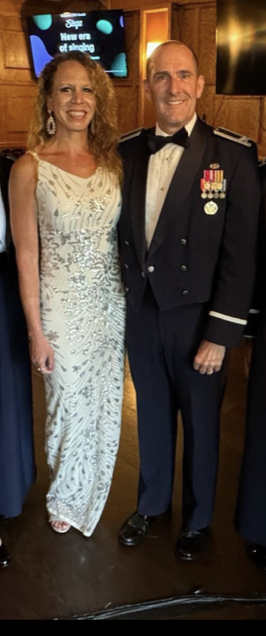
Students on the graduation track at WTMA recently welcomed James Kennedy, husband of WTMA Spanish instructor Señora Kennedy, to discuss his career path in law and the military. Mr. Kennedy, currently Dean of New England Law School at Boston, had previously served as a Judge Advocate General (JAG) officer in the United States Air Force for 28 years, rising to the rank of Commandant of the Air Force JAG School. During Mr. Kennedy’s talk, he answered many student questions, especially about the requirements and expectations of military service. He stressed to students the importance of education, and the power of family support.
Opportunities Offered by Education
In high school, a young Mr. Kennedy participated in debate club, which prompted his interest in becoming a lawyer, although he jokes that his actual dream was to be a motocross racer. After graduating high school and continuing on to Boston College, he went to law school at Syracuse University, where he happened to pick up a pamphlet about legal careers with the U.S. Air Force, a move that changed the course of his life.

The Flexibility of the Law School Path
Perhaps to some of the students’ surprise, Mr. Kennedy repeatedly emphasized that the law is one of the most flexible career pathways they could choose. Although most people picture criminal law or estate planning when they think of a legal career, Mr. Kennedy explained that there are hundreds of specialties, as well as many different ways to practice law: private practice, working for a large firm, teaching at law school, as well as government and military careers.
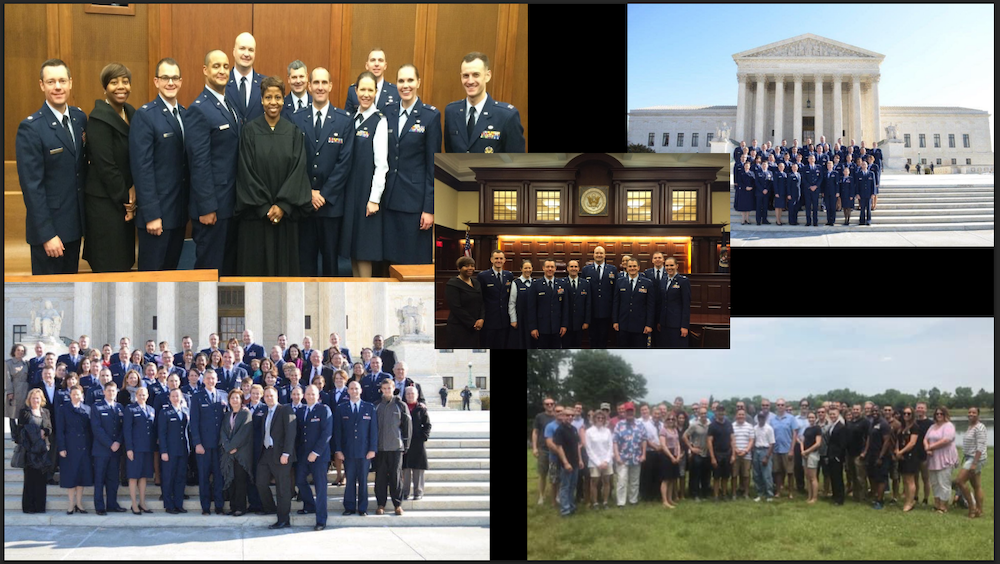
After six years arguing criminal cases as a JAG, Mr. Kennedy went to George Washington University law school to further his education with a Master’s of Law, paid for by the Air Force. (Unlike other academic disciplines, law students pursue a J.D. degree – which is a doctoral-level terminal degree – right after their Bachelor’s, and only return to school for a Master’s in a specific field if necessary.) His specialties were environmental law and acquisitions law, and from then on his responsibilities as a JAG shifted to focus on these areas. In posts that required his environmental law expertise, his job was to ensure that the Air Force’s activities were in accordance with environmental regulations, while acquisitions had to do with the legal side of major military purchases such as new fighter jets.
Seeing the World Thanks to the Air Force
Again in contrast to some students’ expectations, Mr. Kennedy emphasized that the Air Force made it possible for him to maintain a healthy work-life balance. Unlike some military posts, many JAG officers will never have to go “downrange,” as he refers to combat situations. While Mr. Kennedy was posted in many different places around the world, he never went “downrange,” and he joked that the worst injury he received was a paper cut.
Many people in the military can bring their families with them to their posts. The Kennedys have six children, and they have lived all over the world, including Germany and Japan, and have been able to visit many different places–over 45 countries. Mr. Kennedy’s son once got in trouble at school because his teacher thought he was lying when he said he had been to the Eiffel Tower, the Acropolis, and the Great Wall of China.

Recognizing the Time to Change
As the thirty year mark of his time in the military approached, then-Commandant Kennedy began taking stock of his options for a post-military career. When Señora Kennedy saw a job posting for a new Dean and CEO of New England Law School, they both knew it would be a perfect fit. With his final posting in JAG as the Commandant of the JAG School (the Air Force’s law school), and his expertise in business through his years of work in acquisitions law, he was a strong candidate, and he retired after 28 years to take up the position at New England Law.
“You Owe It to Yourself and the People Around You”
While Mr. Kennedy made a strong case for both the legal and military career paths, he emphasized throughout his talk that many of his most important life lessons are not specific to the law or the military. When discussing his high school experiences, he noted that one of his regrets in life is “mailing it in” in high school. As a bright student, he was able to get good grades without working hard. But having been the valedictorian of his junior high class, he knows he could have achieved much more if he had worked harder rather than coasting. “You want to show up and you want to do your very best. You owe it to yourself and the people around you.”
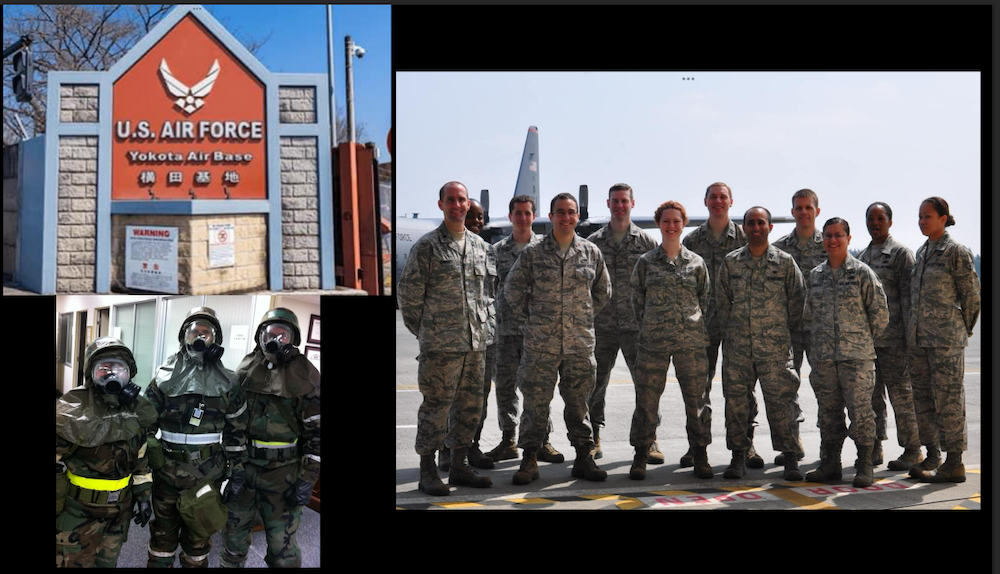
Mr. Kennedy also described the importance of meaningful service during times of crisis, noting that thanks to his military postings he was in a position to provide assistance following both 9/11 and the Fukushima disaster in Japan. He urged students not only to recognize and give credit to those who help them achieve great things, but also to avoid people who may be a bad influence. “The people you spend time with and associate with are going to have an impact on you…. [They will] either pull you up or pull you down,” he noted. Mr. Kennedy ended with a note of encouragement for students to follow their dreams, reminding his listeners that he achieved all this success while coming from an unprivileged background, without the help of college-educated or even high-school educated parents:
“All good things in life are difficult. So many times we shy away from the difficult. We run from the difficult, [but] everything I’m proud of in my life is difficult… Every one of you out there can go and do incredible things, but it takes consistency. It takes follow through and it takes making smart choices and being around the right people. Find what you want to do and go do it.”
Thank you, Mr. Kennedy, for your time with our students!